We all do it. You arrive at the front door carrying your shopping and you elbow the handle down or kick it a little at the bottom. It seems harmless enough. However, here is the point- those little daily routines are stealing years out of the life of your door handles.
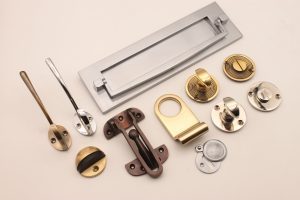
So whether you have spent up on beautiful door handles, solid brass door knobs or good architectural ironmongery, it does matter how you handle your hardware on a day-to-day basis. The good news? The majority of the damage is totally preventable, and you just need to know what to watch out on.
And now we will pass through the most frequent offenders.
Application of Harsh Cleaning Products on Hardware
That is likely the most common error that the owners of the homes make concerning the maintenance of the door hardware. It is just logical – pick the same multi-purpose spray you apply on the worktops in the kitchen and wipe the handle. Job done, right?
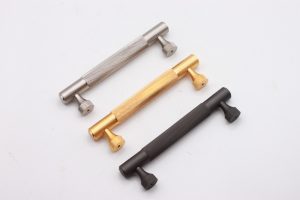
Wrong. All domestic cleaners are bleach, ammonia or strong acid which is extremely nasty on brass and other metal finishes. Gradually these chemicals cause the protective lacquer on your door handles, which is made of brass, to be dull and rough and liable to tarnishing. What began as a shiny lever handle, might be seen in a few months to be worn and rusted.
The solution is simple, a soft damp cloth and mild solution of soap should be used, as is necessary. In case of unlacquered metal, the trick is in a specialist metal cleaner that is applied sparingly. It is always important to dry the hardware well after, standing moisture is also another silent killer of good door hardware.
Over-Tightening Screws on Hinges and Backplates
When a hinge or a backplate is a little loose, the desire is to pick up a screwdriver and fasten everything as tight as you can. It appears to be accountable, even DIY-loving. Damage of door hinges and of the timber surrounding them is, however, one of the most common causes by over-tightening.
By making sure that you over tighten screws, you squeeze and tear the fibers of wood behind the screws, that is, the screws no longer have anything to hold them after some time and the fittings slip off even quicker. The backplate itself can be broken or bent, too– especially by using thinner architectural hardware– or stripped of the screw heads, so that they become impossible to remove in the future.
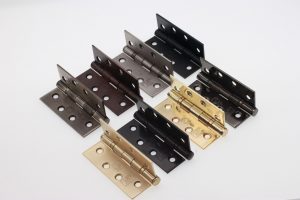
The correct method is to press hard and soft, tighten up until no movement is seen and then cease. When screws continue to loosen, the problem would be with the timber, but not the hardware. It is an old bit of joiner-trick to put in a couple of wooden matchsticks dipped into wood glue, into the screw-hole.
Ignoring Stiff or Squeaky Handles and Hinges
We have all had a squeaky hinge or a handle that requires a good heave to do the job. It turns into background music– something that you intend to clear up but you just never manage to do it. It is due to this reason that you should not leave it.
A lever handle or door knob that can be felt as stiff is generally a sign that the internal mechanism – the sprung return – is becoming worn or dry. Each time you press a stiff handle, you are preventing the spindle and internal mechanisms against the needless pressure. And when left long enough, this will result in a complete break down of the mechanism, and the only way of putting it back on track is to completely replace the fitting, and not to smear a small portion of lubricant over it.
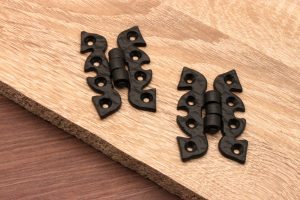
The same thing can be said about squeaky hinges, which are dry and could be out of place. A drop of WD-40 or any lubricant silicone oil on the hinge pin is a long way. It is time to make it an annual home maintenance activity and you will be glad you did.
Slamming Doors- More Damaging Than You Think.
Hardware Door slamming action is same as speed bump driving at 40mph. The impulse shock regularly passes the vibration in all the parts, the latch, the lock, the hinges, the escutcheons, and the backplates. Months and years loosen this and bend the mechanisms and even break the rose plate on the more frail architectural door handles.
The chief offenders are children and draughts. Door closers or soft-close buffers are an excellent investment – they not only help to save your hardware, but also the harmony at home.
Not Observe the Keyhole and Locking Mechanism
The majority of the population merely pays attention to their lock when it ceases to operate, and this is the same as just paying attention to your car engine when it runs out. The moving parts of mortice locks, rim locks, and latches require periodic lubrication in order to operate effectively.
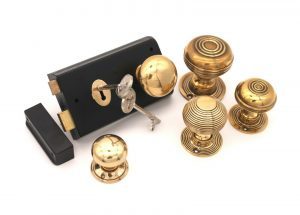
Any hard pressing of the key, or harsh tugging at an unwilling latch is the surest method of bending the key, ruining the lock barrel, or completely cutting the latch mechanism open. A lubricating paint made out of graphite is rubbed directly inside the keyhole every one or two times in a year to ensure that everything runs smoothly. Oil based products should not be used in locks because they attract dust and gum up in the long run.
Letting Condensation and Moisture Sit on Hardware
Damp, we know about damp in UK. Yet when we are taking all this time worrying about damp on walls, the hardware on our front doors and the doors to our bath rooms is soaking and soaking without any sound. The condensation as well as the rain splash and steam in the bathrooms can also find their way into the joints and fixing of door hardware and cause corrosion, tarnishing and stiffening mechanisms.
The front door hardware is particularly exposed. In case you observe the presence of water around your door knocker, letterplate or door knob when it rains, have a wipe down. It is just a moment and it really counts to the life of your door furniture.
A Little Care Goes a Long Way
Good architectural hardware – a gracefully made door handle, or a hand-weld hinge of iron, or a vintage mortice door knob – is designed to take decades to wear out. But it does require a lending of your hand.
Replace the rough cleaners with the soft ones. Lubricate once a year. Wipe down after wet weather. Don’t force stiff mechanisms. These little practices do not consume hours but save your investment in years.
At Spira Brass, we are producing and selling quality architectural hardware, which is meant to be able to withstand the test of time comes with high quality premium protective coating which gives you a hassle-free usage experience no tension of maintenance for a long period. You can also find our entire selection of door handles, door knobs, hinges, locks and front door hardware at Spira Brass.