Brass has long been admired for its warm golden appearance, timeless appeal, and unique ability to match both modern and traditional interiors. However, if you are someone who has selected unlacquered brass hardware, then you are probably already aware of the fact that it is not something that is covered with a layer of protective lacquer. This also means that the hardware with this finish would not only react with air, with touch and with time; not only that, the bright golden color will slowly turn into a warm, honeyed patina, and that is the same quality that is why it is chosen by so many homeowners, interior designers and architects, but it is the same thing which somehow requires a little more care and cleaning with a slightly different approach than the lacquered one.
Once you dare to clean it the wrong way, it can strip away all the patina you have been dreaming of developing the whole time to be developed. If you clean it the right way, then you will keep your door hardware looking as it should be: full of aesthetics, character, warmth, and whatnot.
Here, in this guide, we will explore and learn what exactly you should do to keep your unlacquered brass hardware safe and how often you need to do it.
Understanding Unlacquered Brass
Before picking up a cloth, it helps to understand what you are working with. Brass is an alloy of copper and zinc. Lacquered brass has a clear protective coating that seals the metal from the air, while unlacquered brass is left raw so the metal can develop character naturally.
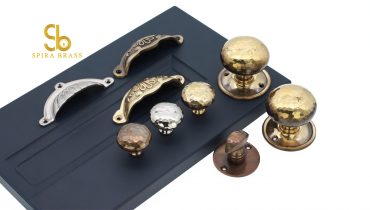
Unlacquered brass hardware is so popular in period properties, hotel and modern home. Handle, knob, pull handle, letter plate, knocker and hinge all change slowly through use. Areas that are regularly touched, such as lever handles, remain stay brighter, while less handled areas darken. The end result is a finish that is unique to your homes.
Because there is no lacquer to protect it, unlacquered brass is also more forgiving than many people realise. Scratches blend into the patina, and the finish can always be refreshed. Unlike coated finishes, it never peels or flakes, and it can be polished back to brightness whenever you wish.
Why Do They Behave Differently?
Before cleaning unlacquered brass, it is important to understand what makes it different from other metals.
As much architectural hardware today has been constructed with a clear coating of lacquer, which keeps the hardware shiny and untarnished for years to come without much maintenance, on the other hand, unlacquered brass is solid brass or brass-plated hardware that does not have any protective layer of lacquer coating. This results in the metal developing a natural patina over time, which is exactly why many people consider this finish in the first place. Not only is this the same finish also available in many other door hardware.
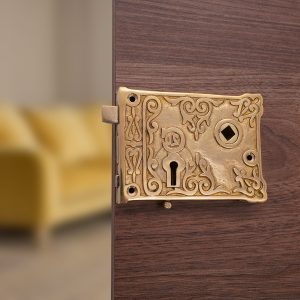
Step-by-Step: Cleaning Unlacquered Brass Door Handles
- Dust and wipe: Remove loose dust and grit with a dry cloth first, so nothing scratches the surface while you clean.
- Wash gently: Wipe handles and backplates with a soft cloth dampened in warm water and a few drops of washing-up liquid. Use a soft toothbrush around screws and detailing.
- Rinse and dry fully: Wipe off soap residue with a damp cloth, then dry immediately with a fresh one. Leftover moisture causes spots and dark patches.
- Remove tarnish: If it’s still dull, use a brass polish, a lemon and baking soda paste (2 to 3 minutes), or a flour, salt, and vinegar paste (up to 10 minutes). Rinse thoroughly afterwards.
- Buff and protect (optional): Buff with a dry microfibre cloth in small circles, then apply a thin coat of wax to slow tarnish. Skip the wax if you prefer a natural patina.
What to Avoid?
- Steel wool or scouring powders. They scratch the surface and leaving permanent marks.
- Bleach, ammonia, or harsh cleaners. These can cause discolouration and pitting.
- Leaving cleaning pastes on too long. Acids can etch the metal.