Mini Cart

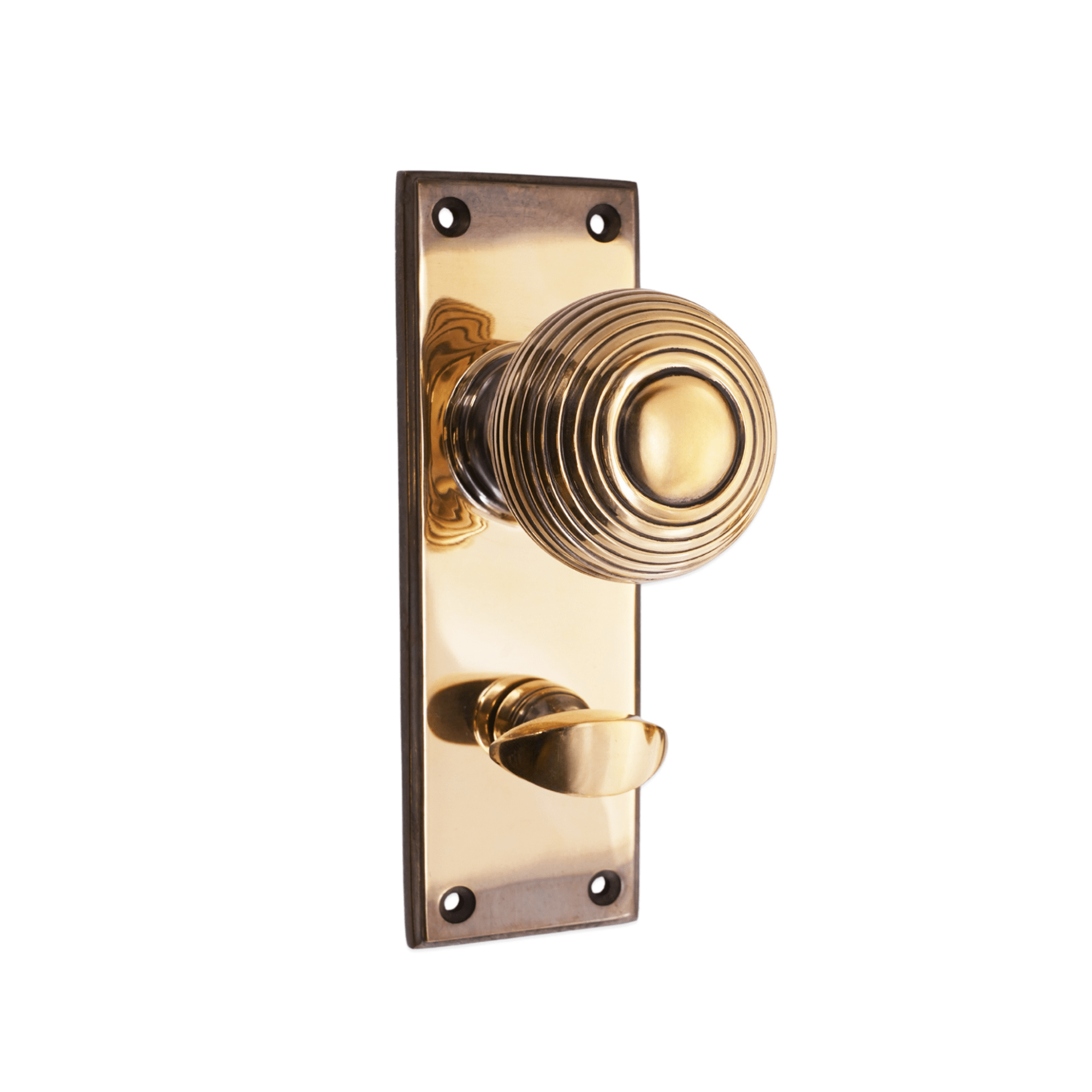
Have you seen how modern residences are slowly incorporating quaint furnishings? Remember those brass knobs and knockers that seemed too traditional? The chunky rim lock? They all seem to be back in season. And you know what? Good for them. In a world full of sleek, minimal fittings, there seems to be a resurgence for warmth, history, and character. Heritage fittings bring all these to table and more.

Modern design has long ignored the detail. It favoured fittings that were sleek and minimal, running parallel with the surface for many years now. But there is evidence to suggest that things are changing: more people rediscovering the beauty of traditional hardware-the type meant to be seen and touched. At Spira Brass, we believe this return is not a trend of fashion but proof that when a design is genuine, well-made, and classic, it never goes out of style; it just waits for us to bring it back.

Why Heritage Never Really Went Away

Traditional hardware never went away; it was just biding its time as newer styles came and took over. The fact of the matter is a solid brass handle or a hand-forged latch is timeless; it is these sturdy bits that are built to last and speak of quiet confidence. As homeowners start to look for more meaningfully curated alternatives to cookie-cutter designs, heritage-inspired details are coming back in a big way.
Challenging the Disposable Culture

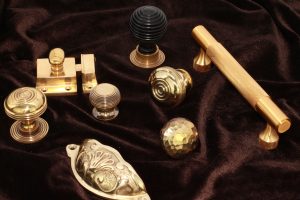
Let us face it – we live in a fast, disposable age. You might love the look of cheap furniture and fittings at first, but they will not last you long. Traditional hardware is built to last and often gets better with age. Take brass; it develops a lovely patina all its own. Every touch and turn of the handle add to its character. By choosing heritage hardware, you make a statement: you want your home to be one of preserving, not changing.

Works with Any Style

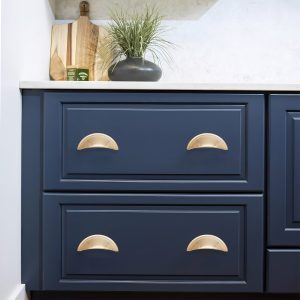
A classic cupboard knob can inject a touch of style into a contemporary kitchen design, whereas a vintage-style doorknocker can add character to even a brand-new home. Rather than working against modern designs, heritage tweaks support them add that little bit of” live in” quality that ends the perfect house feeling like home for real.lock
The Beauty of Craftsmanship

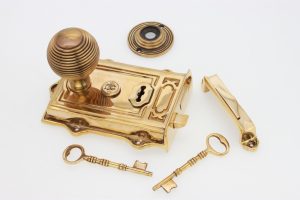
What really drives, or at least motivates some people toward a rediscovery of heritage pieces is the simple fact that these come with great stories. They are not some mundane metal parts fulfilling their function but something beautiful in terms of work. A hand-forged hinge or solid brass handle represents time, skill, and care. With mass production having taken over everything, it is quite odd how welcomed and refreshing such human involvement feels when noticed in these pieces.

Spira Brass is glad to note the increasing inclination back towards traditional hardware. For us, it is not just about security or utility. We are in the business of creating details that help complete a space. Our designs take inspiration from classic forms while making sure to work beautifully within modern homes. Strong, stylish, and timeless-this is hardware you will be proud to use every day.

You would think hardware from the past might be more associated with cabins and older homes, but you would be wrong. An elegant brass handle can add warmth to a contemporary, streamlined kitchen. Equally, an artisan-made door knocker can make a new build look more homely. Far from fighting modern style, quite often heritage features carry it to a perfect reconciliation of clean lines and inviting charm.
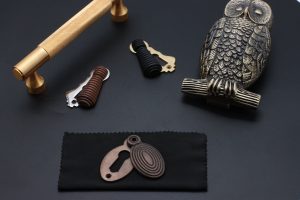
What brings the return of heritage pieces? The answer is simple: craftsmanship. With mass production ruling the day, there is increasing desire for objects that feel lovingly made. It is not merely a solid brass hinge, or forged latch that is at play here; it is a small work of art. These objects celebrate skill, patience, and tradition, and generally accompany a certain feeling of authenticity lacking in factory-made fittings.

Conclusion

The reintroduction of heritage hardware is more than just returning to meaningful, lasting design elements. It is more than functionality performed by these different pieces, in a ‘beyond closing your doors’ welcoming aura, and about the subtle features that tell a story and turn houses into homes. Heritage is indeed returning, not this time as a flash-in-the-pan trend but proof that good design never really goes out of style.


It would be as hard to think it as it is to think the difference between what is painted, what is laid on the floor and what furniture is decided upon in a house when we are planning it. Just as crucially, the little things — pulls, knobs and background-humming hinges – quietly go about their business of holding everything up. While it seems like it might simply be a finishing touch, the style of hardware you go with can have a huge impact on the look and feel of your space out there. This inevitably leads to that ever-present question – modern or traditional?

The Charm of Traditional Hardware

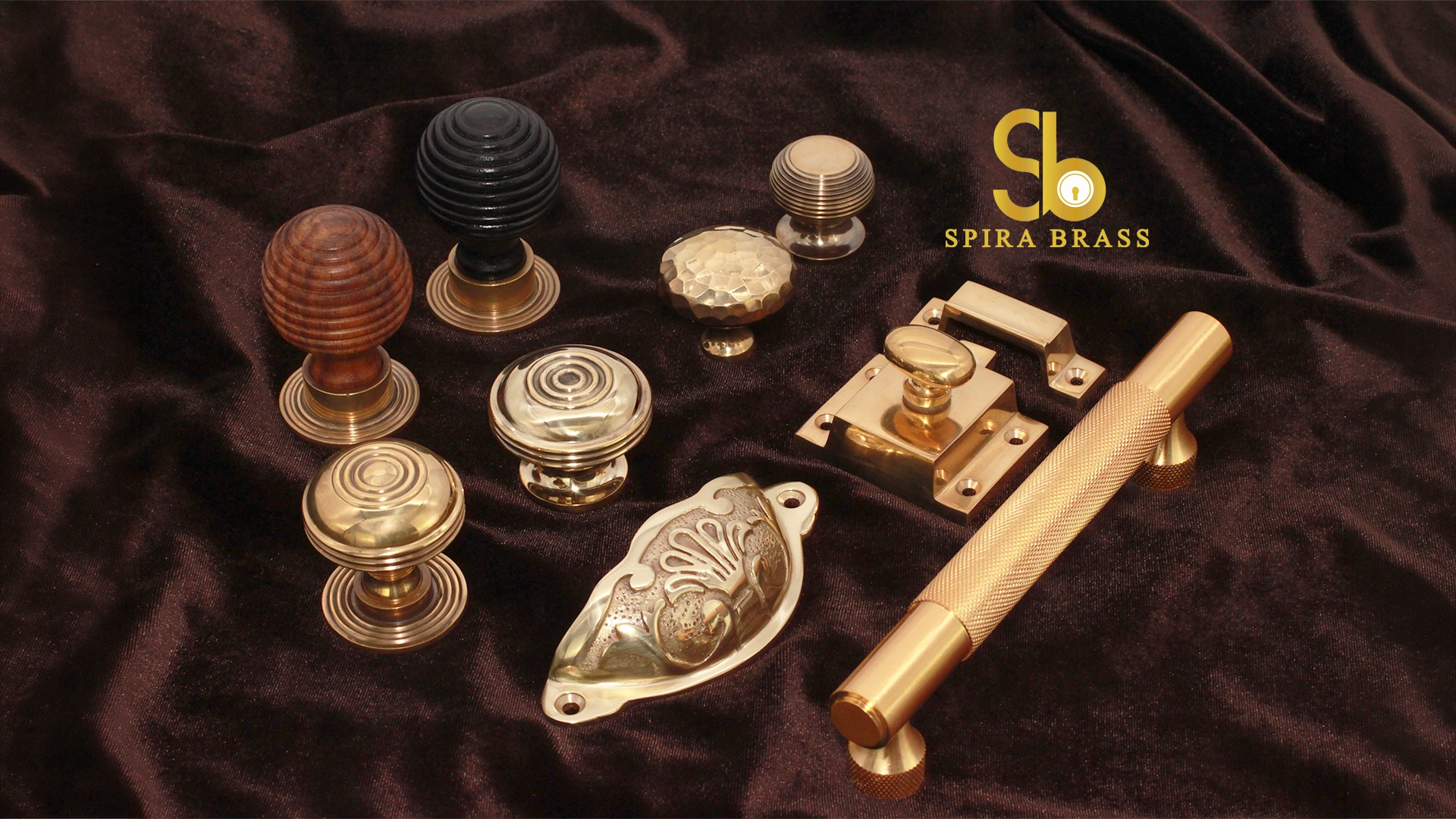
Older hardware is rather descriptive. Old brass knobs plated to quite a finish, lever on backplates, an iron-like they all have their own story to tell; everything is made by hand. They give a space breathing room and warmth, which is why they are ideal for cultivating that timeless, inviting home.

It’s a look that can find a home in older houses, country-style kitchens, and interiors with lots of natural wood and texture. Even brand-new traditional hardware can have that sense of history to it.

The Simplicity of Modern Hardware

Where classic hardware was more about elaborate ornamentation, modern hardware is mostly about straight and neat design. Straight lines, the least possible ornamentation, and finishes such as brushed brass or matte black give it a clean and new appearance.

This style of design is good for use in open floor plan homes, modern kitchens, or anywhere in an apartment where there should be an easy flow. The appeal of modern design is just that it is so simple. It does not scream for one’s attention; it silently improves the environment.

What Defines Traditional and Modern Hardware?

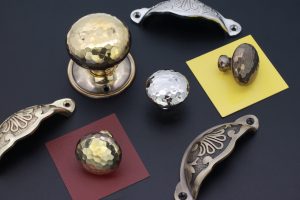
Hand-forged details, ornate shapes, finishes that gain character with age—all things of the past that are very much alive in contemporary offerings. These are pieces that bring an inviting feel to the space. Most feature some combination of curved lines and intricate backplates in finishes like aged brass, bronze, or chrome.

A brass knob with a vintage look or lever on a decorative backplate does more than just open a door; it opens household space to welcome in personality and a dash of tradition into daily life.

Modern hardware emphasises clean design and function.

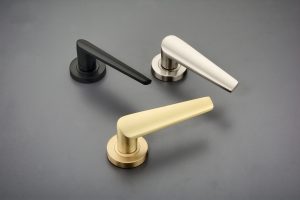
Sleek forms, minimal ornamentation, polished brass, chrome, or matte black are typical of modern hardware.

How To Choose What’s Perfect?

It is very necessary to pick the right one for your home decoration. Choosing the right one for your home, enhances the overall appearance by leaps and bounds. Finally, let us consider the style of your property. While a Victorian house or a cosy country cottage may be complemented by traditional handles and knobs, modern apartments or new builds may look best in cleaner, simpler designs.

But that is not all—your existing decor and furniture should also play a big part. Rustic oak cupboards will look beautiful with classic brass pulls, but sleek, glossy cabinets often look their best in minimalist fittings. Of course, practicality matters too; modern hardware is often designed so that it is as easy to use as possible, which is certainly helpful for a busy family, but traditional pieces will add a tactile, homely comfort that you will love to touch and that feels warm and inviting. And, of course, you do not have to stick to just one look.

Why Brass Works Everywhere

Firstly, think of the style of your property – a Victorian house, or at a push, a pretty country cottage, are likely to feel more at home with classic handles and knobs; a swishy modern apartment or new build can usually take cleaner, more minimal designs.

The decor of the rest of your home and your existing furniture, too, have a big say of course – rustic oak units look great next to traditional brass handles, whereas streamlined glossy cabinets tend to be at their best when accessorised with more minimalist fittings, for example. Practicality counts for something, too; contemporary hardware sometimes has ease of use in mind — a boon for a busy household — while traditional pieces provide a tactile, homely comfort that feels warm and welcoming.

Final thoughts: By Spira Brass

Ultimately, deciding between modern or traditional hardware is a mood you want your home to strike. Traditional pieces offer heritage and a little extra warmth —and can feel handcrafted — and modern designs keep things sleek, practical, and free of clutter. You do not have to be limited to one style, in fact, the welcoming, much-loved interiors come from a mix of the two. And when brass is the metal of your hardware, you inherit a finish that plays well across styles, one that will age with character and never stop feeling cool, no matter how your interior look changes.

At Spira Brass, we embrace this equilibrium with our hardware that pays homage to both traditional and contemporary living. We design our pieces not to just function as utilitarian items, but as details that make your home feel finished, personal, and truly yours, whether it is an old-world handle full of hand-forged charm or a sleek, minimalist design fit for a modern space.


There is a particular kind of frustration that comes from revisiting a project two years after handover. Everything looks right –  the colors have settled, the furniture is worn nicely, the client has made it their own. And then your eye lands on the door handle. The finish has gone flat or worse, patchy. And you remember making that specification in a hurry because the budget was tight or the deadline was close. 

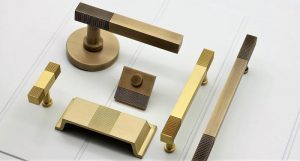
Cupboard Pulls Door Hardware | Spira Brass

Finish selection does not get talked about enough in design circles. Everyone has opinions on paint, on fabric, on flooring. Hardware finishes tend to get picked late in the process, often under pressure, and that is exactly when the wrong calls get made. This is a checklist I wish someone had handed me earlier – not a catalogue rundown, but an honest look at what performs, what demands more of your client than they signed up for, and what to specify when the brief pulls in different directions. 

Polished Brass: Commit to It or Leave It Alone 

Polished brass is genuinely beautiful and genuinely demanding. There is no middle ground with it. 

The unlacquered version – which is the one worth specifying if you want real depth and character – will shift over time. Heavy contact areas go lighter. Low-traffic surfaces darken. That slow evolution is either the whole point or a complete nightmare, depending on the client sitting across from you. Before you put it on a schedule, have that conversation. Some clients will love the idea of hardware that develops a story. Others will ring you in eight months asking why their handles look uneven. 

Lacquered polished brass holds its look longer and needs nothing more than a soft cloth. You lose some of the warmth and depth but you gain predictability. For clients who entertain a lot, have young children, or simply want things to look the same in five years as they did on day one – lacquered is the honest recommendation. 

Where polished brass really earns its place is in schemes with marble, dark painted joinery, or raw stone. The warmth it brings into those environments is hard to replicate with anything else. 


Aged Brass: The One That Does the Work Quietly 

If I could only specify one finish across a broad range of residential projects, aged brass would be a serious contender. 

It arrives already looking like it has been there a while, which on any period or heritage project is an enormous advantage. The recessed areas are darker, the raised surfaces catch the light – and because it already looks lived in, it continues to look right as actual use adds to that story. Fingerprints do not show the way they do on polished surfaces. It does not need polishing. It does not react dramatically to condensation or humidity. 

The aged brass range at Spira Brass works particularly well on country houses, older cottages, and any project where the client has used warm neutrals, natural textiles and reclaimed or heavily grained timber. It does not fight the materials around it. It just sits there looking like it belongs, which is ultimately what good hardware should do. 

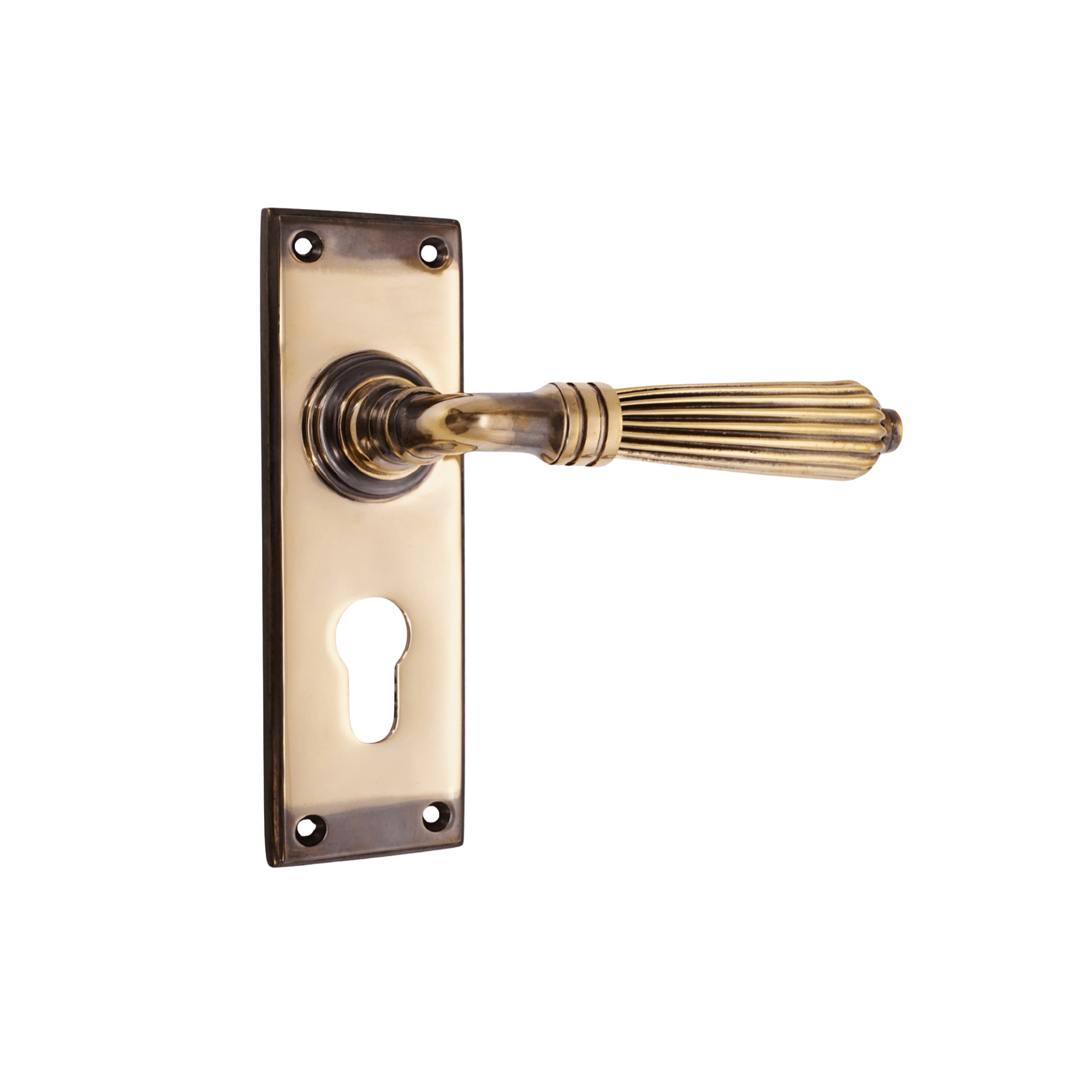
Door Handles Door Hardware | Spira Brass

Antique and Aged Bronze: For Rooms That Are Meant to Feel Heavy 

Bronze finishes are not for every project and they are not meant to be. Where aged brass is warm and approachable, antique is darker, more brooding – closer to the colour of old leather or dark wood than to anything bright or reflective. 

It works in dining rooms with deep wall colours. Libraries. Studies with floor-to-ceiling shelving and reading chairs. Spaces where the mood is deliberately settled and the palette runs dark throughout. Specify it in a light-filled, neutral Scandi scheme and it looks like a mistake. Specify it in a room where someone has used Farrow and Ball’s Railings or Studio Green on the walls and it looks completely inevitable. 

This is a finish that rewards confidence in the brief. If the room is going dark, go dark with the hardware too. 

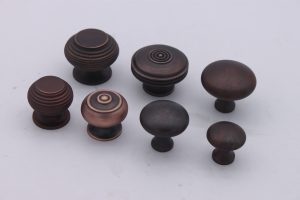
Door Knobs Door Hardware | Spira Brass

Handforged Iron: Only When It Is Genuinely Right 

The handforged iron range is one of those things that either fits perfectly or sticks out completely. There is no in-between. 

Barn conversions, rural properties with exposed beams, Arts and Crafts houses, farmhouse kitchens – this is where handforged ironwork belongs. The surface variation, the slightly uneven edges, the honest marks of the making process – all of that reads as completely authentic in those environments. Put the same hardware in a clean, white-walled London flat and it looks like a prop. 

One practical note for the client brief: iron in high-moisture rooms needs occasional treatment with a light wax or oil to stay in good condition & our products already comes with a beeswax coating which makes the iron moisture proof and prevents it from getting corrode. 

Matt Black: Still Works, but Stop Defaulting to It 

Three or four years ago, matt black was everywhere. Kitchen showrooms, hotel bathrooms, editorial shoots – it became the shorthand for contemporary design in the same way that brushed chrome was in the early 2000s. That level of saturation tends to date things. 

Used deliberately, matt black hardware is still sharp and effective. Industrial spaces, bold monochrome schemes, dark cabinetry – it reads as intentional in those contexts. The issue arises when it gets specified as a default rather than a decision. 

The one maintenance point worth flagging: matt black surfaces show dust more than clients expect. It looks exceptional on the day the photographer comes. After two weeks of normal life it needs attention. Worth mentioning before you finalise the schedule. 

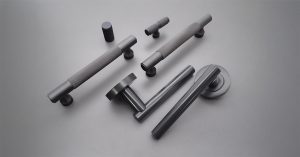
Door Handle Door Hardware | Spira Brass

The Thing That Ties It All Together 

Whatever finish you land on, the single most important thing is running it consistently. Handles, hinges, escutcheons, bathroom accessories, cabinet hardware – when the same finish appears throughout a property in a coherent way, the scheme feels resolved. When it does not, something feels slightly off even if nobody can identify exactly what. 

Spira Brass carries all of the above finishes across their full architectural hardware range, which makes cross-room consistency straightforward to achieve. Samples are available through their stockist network across the UK – worth ordering before you finalise anything, because finish colours on screen and in person are rarely the same thing. 

Sign Up Newsletter

Sign up our newsletter and save 25% off for the next purchase!

Subscribe to our newsletters and don’t miss new arrivals, the latest fashion updates and our promotions.